
What must remain true
while everything
else changes?
A cross-disciplinary architecture for diagnosing continuity, orientation and coherent adaptation under pressure.
What InVara does
InVara® examines recurring outcomes that remain unexplained after the usual fixes have been tried.
When capable people, functioning processes and repeated interventions still produce the same unwanted result, the problem may no longer be local.
It may be architectural.
InVara examines the conditions connecting purpose, ownership, information, authority, pressure, boundaries and adaptation — and asks why the system continues to reproduce the outcome.
The objective is not to identify who failed.
It is to understand what made the failure reasonable.
When InVara
becomes relevant
InVara becomes relevant when:
- the same operational failure keeps returning
- competent people repeatedly need escalation to make the system work
- ownership exists formally but disappears operationally
- information travels but meaning does not
- local decisions make sense while the overall outcome deteriorates
- transformation produces adaptation but also drift
- critical outcomes depend on exceptional individuals
- pressure exposes weaknesses that remain invisible under normal conditions
- nobody appears to have legitimate authority to question the frame itself
Not every recurring problem
is a people problem.
Organizations often respond to recurring failure with more communication, clearer roles, stronger leadership, new processes or additional training.
Sometimes those interventions are exactly what is needed.
But if the same outcome survives competent people and repeated fixes, another question becomes necessary:
Would replacing the people change the outcome if the architecture remained the same?
Not every problem is architectural. The strength of the approach is diagnostic discrimination. If the case is not fundamentally architectural, InVara should be able to say so.
Coordination
is not integration.
A system is not integrated merely because its parts communicate.
It is integrated when what mattered at the beginning survives its journey through the system.
The signal arrived.
The meaning did not.
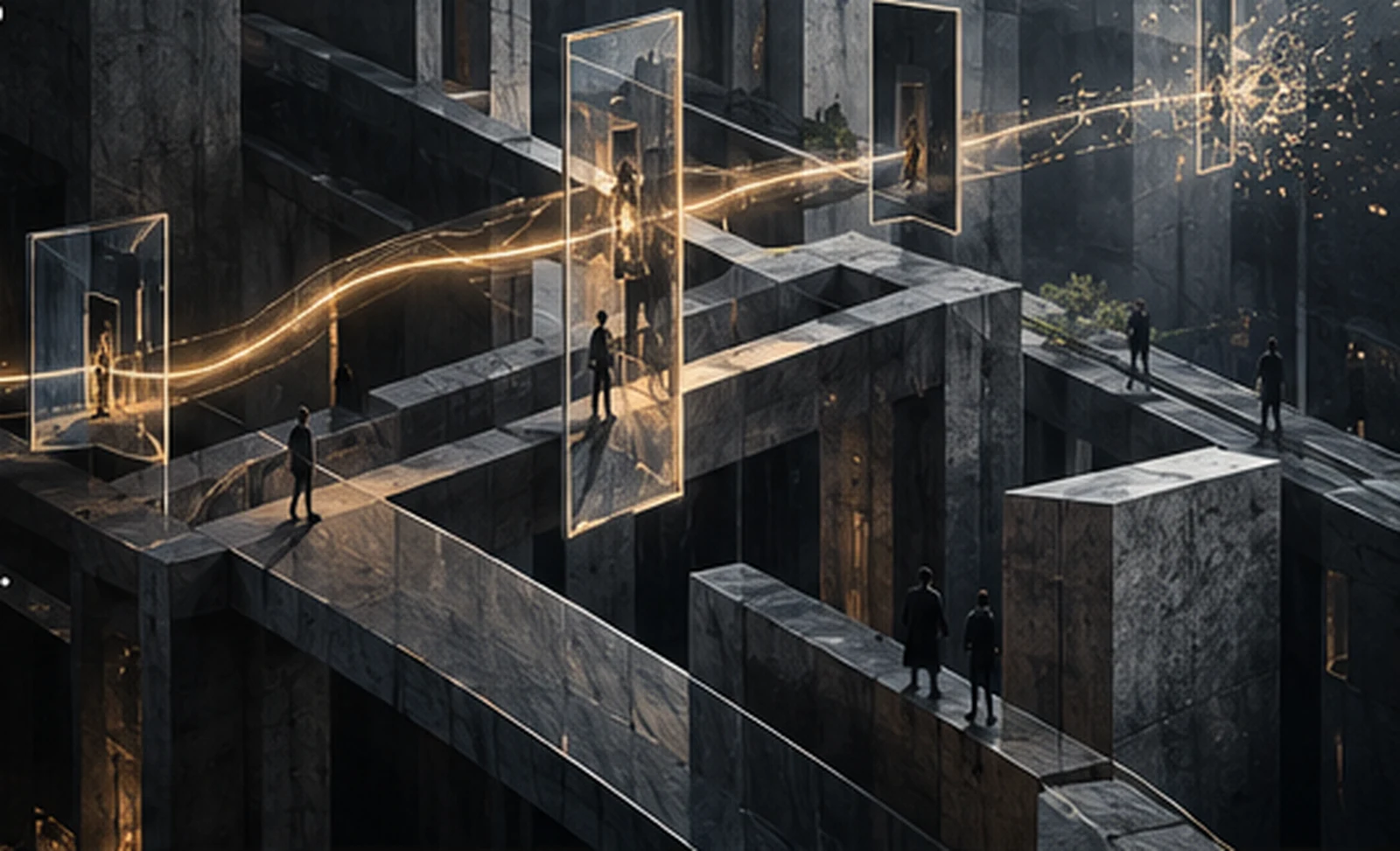
Change is visible.
Continuity is not.
Systems can change shape, speed and behaviour while still remaining themselves. Until one condition disappears — and the change becomes drift.
InVara asks a simple but difficult question:
What had to remain true?
Nine functions.
One question of continuity.
Explore the Architecture →Recognition
What is the system able — and unable — to notice in time?02TELOS
What is the whole actually oriented toward?03Invariant Kernel
What must remain true for the system to remain itself?04Pressure Architecture
What disappears first when pressure rises?05Boundary Layer Ω
Where does legitimate adaptation stop?06Coherence Vector ψ
Is the whole still producing the outcome it exists to produce?07Transformational Gradient Δ
How far can the system change before adaptation becomes drift?08Reopening Architecture
Who can question the frame when the frame itself stops working?09Exit Architecture
What recovery paths remain if core assumptions fail?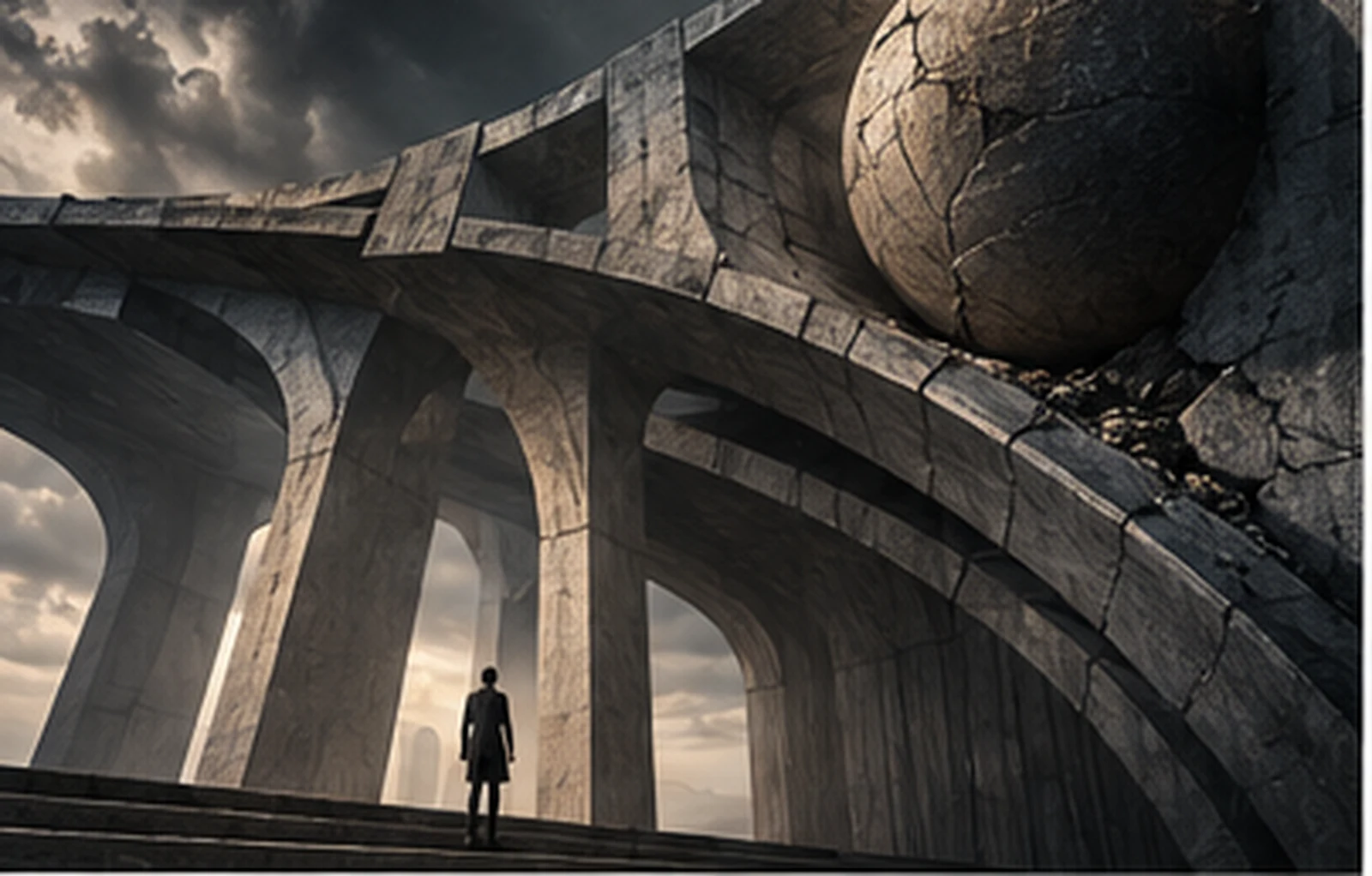
Pressure does not create the architecture.
It reveals what the architecture
was willing to lose.
What the assessment produces
An InVara Architectural Assessment can produce:
- Architectural diagnosis
- A structural reading of why the outcome is being reproduced.
- Continuity conditions
- The conditions that must remain true for the system to remain viable and coherent.
- Critical dependencies
- Where outcomes depend on information, authority, ownership, capacity or hidden human intervention.
- Pressure points
- Where important functions degrade first as pressure rises.
- Boundary conditions
- Where adaptation remains legitimate — and where it becomes drift.
- Reopening conditions
- Who can challenge assumptions, decisions or boundaries when evidence changes.
- Recoverability
- What options remain if the current path stops being viable.
The result is not another list of recommendations.
It is a clearer view of the architecture producing the outcome.
Bring a real case.
Bring an outcome that should not have happened — or one that keeps happening despite repeated attempts to fix it.
The case does not need to be polished.
It needs to be real.
We will first determine whether the problem appears architectural.
If it does not, we should say so.
Good starting cases may involve
- recurring operational failure
- fragmented ownership
- escalation dependency
- loss of meaning across handoffs
- transformation drift
- conflicting local incentives
- hidden dependency on exceptional individuals
- unclear decision authority
- conditions that nobody seems able to reopen
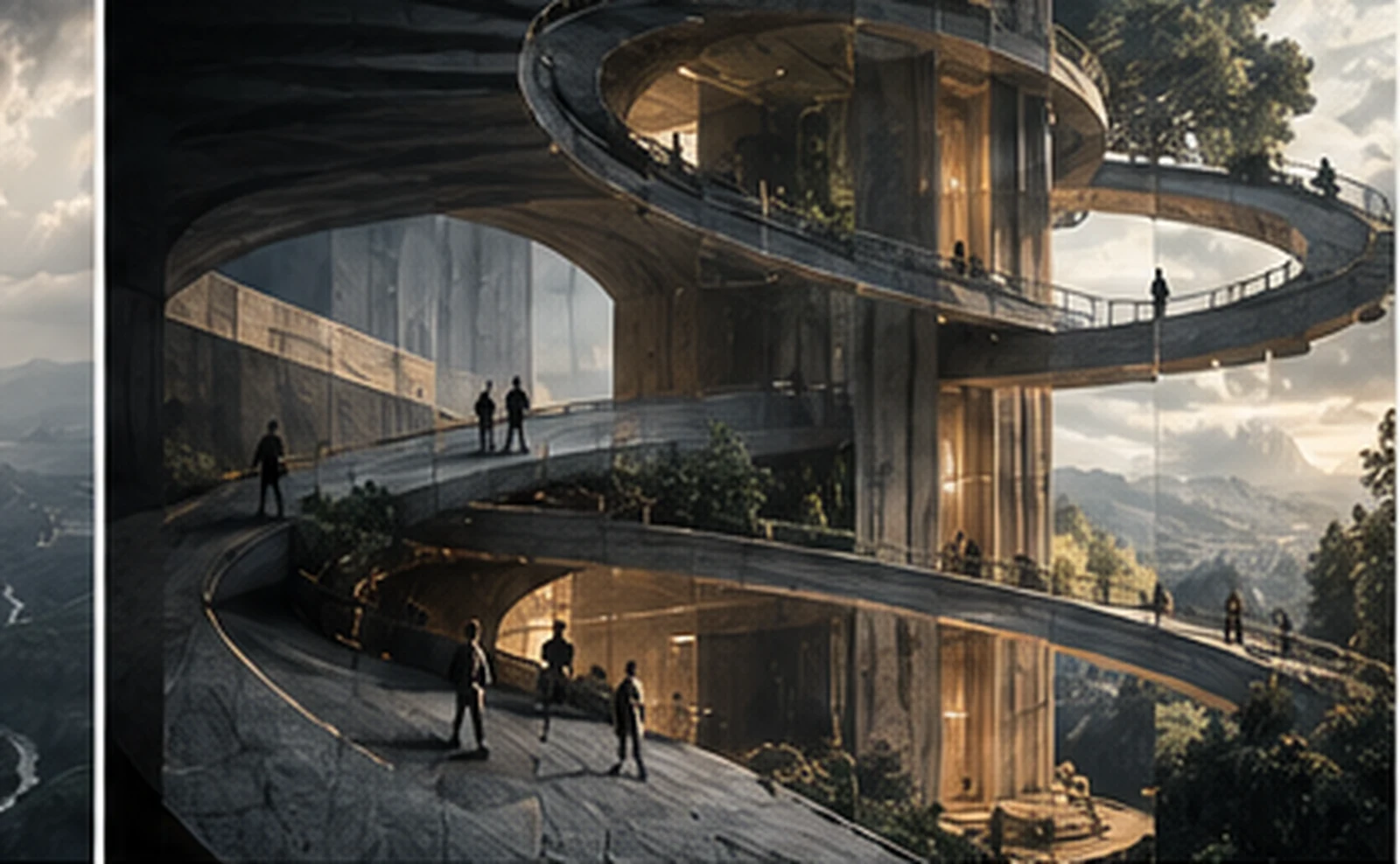
Diagnosis
is not the end.
Conditions change. Pressure moves. Evidence shifts. Roles and authority change. Assumptions expire.
Architecture in Motion is not repeated consulting. It is the continuation of architectural visibility as the system changes.
Assessment identifies the architecture.
Architecture in Motion keeps it visible while reality changes.
InVara Notes
Architectural reflections on continuity, pressure, drift, meaning, adaptation and systemic failure.
What Must Remain True While Everything Else Changes?
In preparation02 / DRAFTThe Signal Arrived. The Meaning Did Not.
In preparation03 / DRAFTWhen the System Makes the Next Action Reasonable
In preparation04 / DRAFTCoordination Is Not Integration
In preparation05 / DRAFTWhy Better Leadership Is Sometimes the Wrong Diagnosis
In preparationWhy InVara exists
Modern systems are becoming faster, more adaptive, more distributed and more autonomous. Yet increased adaptive capacity does not guarantee continuity, coherence or viability.
About InVara →Maxim Kourilenko
Founder, InVara®
Maxim Kourilenko is developing InVara® as a cross-disciplinary architecture for examining how continuity, pressure, authority, boundaries and adaptation interact in real organisational systems.
The work grew from repeated encounters with systems where capable people were acting rationally within their local roles while the larger architecture continued to produce unwanted outcomes.
His focus is not on replacing human judgment, but on understanding the conditions under which judgment remains consequential, contestable and correctable.
What outcome keeps
coming back?
Begin with what actually happens. We will first determine whether the problem appears architectural.
Bring a Case